

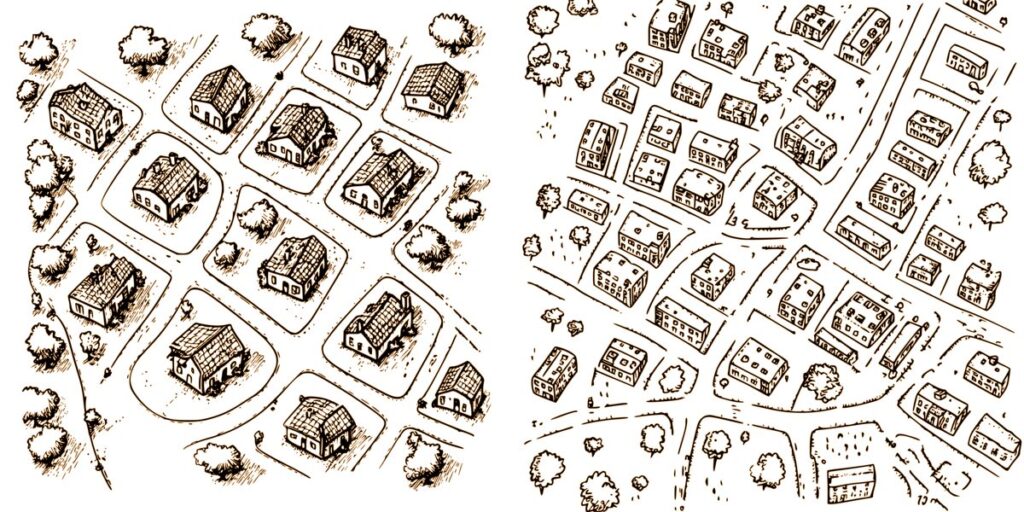
Nestled along the gentle, winding lanes that meander south of downtown Littleton, Valley Heirloom is a neighborhood whose very name conjures images of deep roots, longstanding traditions, and a palpable sense of community. For new visitors and long-term residents alike, Valley Heirloom is more than a collection of pretty homes—it is an emblem of Littleton’s proud heritage, where echoes of the past blend seamlessly with the hopes of the present.
The Origins: From Farmland to Foundations
The story of Valley Heirloom begins in the latter part of the 19th century, long before the neighborhood itself came to be. In those early days, the area that would one day become Valley Heirloom was a patchwork of thriving apple orchards and family-run vegetable farms, nourished by the lush banks of the South Platte River.
The name “Valley Heirloom” traces back to the prized heirloom tomato crops that flourished in this valley. According to old town records held at the Littleton Historical Museum, a local grower named Catherine Harlan first popularized the term. Her “Heirloom Valley Market”—operational from 1908 to 1922 at the corner of Willow Street and Eldora Avenue—became a cherished community gathering place, renowned for its produce and neighborly spirit.
Pivotal Moments in Valley Heirloom’s Timeline
- Early 1920s: The city of Littleton began plotting the first formal streets in the area now known as Valley Heirloom, with Harlan Lane and Orchard Way serving as initial connecting roads. Many lots were purchased by families seeking to escape the bustle of Denver.
- 1947: The original red-brick Valley Heirloom School opened on Juniper Drive, marking the neighborhood’s first dedicated educational institution. Generations of children have since crossed its threshold, making it both a landmark and a beloved local memory.
- 1956: The post-war housing boom led to the construction of several of the neighborhood’s mid-century modern homes, many designed by the renowned architect Charles Yost. These residences, with their big picture windows and lush gardens, still stand as testaments to classic Littleton style.
- 1972: Crestview Park, a tree-lined oasis off of Valley Road, was officially dedicated to the public. Over time, the park has hosted everything from farm-to-table fairs to joyful Fourth of July celebrations.
Landmarks That Define a Community
While the homes themselves—ranging from cozy bungalows to elegant ranches—are beloved, several neighborhood gems stand as enduring witnesses to Valley Heirloom’s proud story.
- Valley Heirloom School: Now transformed into a vibrant community center, this stately red-brick building at 641 Juniper Drive welcomes residents for events, classes, and town meetings.
- Harlan House: The lovingly restored former home of Catherine Harlan still graces the corner of Willow Street and is said to be one of the oldest standing residences in Littleton, a true piece of living history.
- Community Orchard: On the east end of Orchard Way lies the community orchard, where residents continue the tradition of planting heirloom fruit trees—creating pick-your-own events every autumn that bring generations together.
Evolving With the Times
Valley Heirloom changed with each decade, adapting to the evolving lifestyle of Littleton while always honoring its roots. In the 1980s, residents formed the Valley Heirloom Heritage Society to preserve older homes and advocate for sensitive development, leading to the creation of walking tours and annual neighborhood heritage celebrations.
In recent years, Valley Heirloom has seen a gentle influx of younger families, attracted by the neighborhood’s walkable streets, strong local schools, and the tradition of communal gardens. Spots like Crestview Park are now hubs for weekend yoga, food truck nights, and open-air movie screenings.
Throughout all of this, Valley Heirloom has managed to retain the feeling of a place where every neighbor is greeted by name, where porches are gathering spots, and echoes of the past are considered precious rather than forgotten.
What Makes Valley Heirloom Special Today
- Community Spirit: More than just a set of homes, Valley Heirloom thrives on active neighborly engagement—from block parties on Juniper Drive to book swaps at the community center.
- Natural Beauty: Old-growth maples and established gardens, public greenbelts, and easy access to the South Platte Park create an environment that feels nestled away, while still mere minutes from the heart of Littleton.
- Sense of Heritage: Annual events like the Valley Heirloom Harvest Festival and walking tours curated by the Heritage Society ensure every generation hears and cherishes the stories of those who came before.
Exploring Valley Heirloom
To experience Valley Heirloom’s charm, a stroll down Willow Street or Heritage Lane reveals decades of thoughtful care—porches framed with climbing roses, historic markers tucked beneath old elms, and friendly faces always ready with a wave or a smile.
The neighborhood has become a bridge between eras: you’ll see children racing bikes down Orchard Way, retiree gardeners tending to community plots beside their youngest neighbors, and artists sketching the stately lines of Harlan House.
Preserving a Valued Legacy
Today, the Valley Heirloom neighborhood stands as proof that progress and preservation can exist hand in hand. With each new resident welcomed and every tradition maintained, Valley Heirloom continues to write the next chapter in its rich story—a story shaped by generations and celebrated by all who are lucky enough to call it home.
Whether you’re seeking a walk through history or looking for a genuine sense of community, Valley Heirloom in Littleton offers both in abundance.